Capital financing of a startup relates to raising finances that would enable the expansion and growth of a new business venture to translate the innovative idea into a successful firm. Startups usually require large funds in order to finance irrevocable costs, like product development, market research, recruiting employees, and expansion of operations. Startup funding rounds vary, as outlined in “A Beginner’s Guide to Startup Funding Rounds.”
Stages of lifecycle of a company and each stage has its peculiarities, goals, and investors types. They are also available in various funding amounts Crunchbase has published that the average funding round of the first quarter of 2023 was $3.6 million at the U.S startups, and the average Series A was $18.7 million. The brief description of these stages follows below: Every stage is a milestone in the development of a startup, including the formation of the idea itself and scaling to the market, and has different capital and investors needed to raise.
The Early Stages of Funding
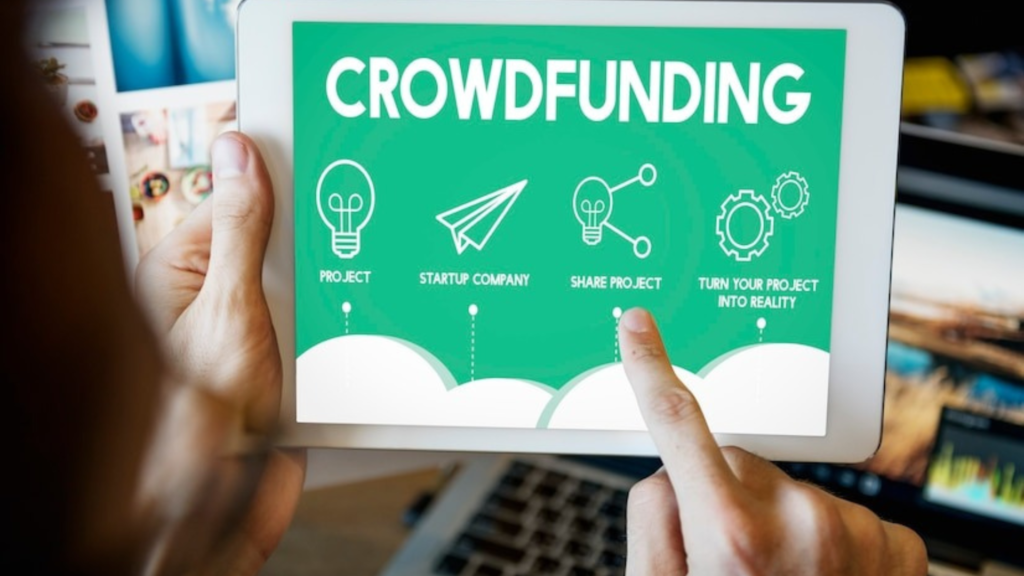
These stages differ considerably in their expectations, risks and participatory levels of investors. Start up needs vary at various points in business and any fund raising activity should put into consideration the level of business maturity. The subsequent table contains the description of the alternative studios of startup development and their impact on the decision-making process of fundraising At these early stages startups usually do not have the financing required to ensure that their ideas are tangible as products or services. Basic activities funded through fundraising include carrying out a market research.
Developing products, and developing a minimum viable product (MVP). The acquired capital assists in the verification of the business idea and also gears the startup to grow in the future. When a startup has created its Minimal Viable Product (MVP) and received additional traction (which can be seen in the number of users, revenue, or any other performance metrics), Series A round is used to scale up the business.
Seed and Early-Stage Venture Capital

Of the product or service, increased pool of customers, and superior marketing ploys. In it, funding of the process where a startup that passes the approved idea becomes a company with a scale-up business model occurs. Increasing their market presence, hiring talent, making technology or infrastructure better and moving to new markets or segments, are some of the ways Series B funding enables these companies to grow. The capital will facilitate the startup to conquer its current market or new markets thereby remaining ahead of its rivals.
The Series C investment helps further expansion, or creation of new products or other growth options (e.g. acquisitions). These financing phases serve to cement the interests of the company in the market and also penetrate the market at a more massive level like in cases of global penetration or variety of products services.
Scaling and Growth Rounds

The availability of the funds at later stages can help develop the company valuation and make it appealing to the investors in the public market or prospective buyers. Fundraising As well as capital raising, the startup may raise its credibility, build relationships with industry leaders and receive valuable experience and advice through it. The types of capital sources which are most suitable will depend on what you are after the most in a funding round. In the case of startups, short-term leases are numerous.
Been successful with start businesses that do not require large amounts of capital to get started and expand. Entrepreneurs intending to remain in control as well as business entities with a definite route to profitability find it ideal. The self-financing method is applicable to service-oriented firms or those that do not have a large initial capitalized costs since it gives entrepreneurs the option of expanding operations according to a self-developed rate. But when it comes to those firms which are intensive (in terms of capital) or companies which require expansion in a rapid time-scale as a measure.
Conclusion

Of market control, then this type of approach is perhaps not as effective. Angel investing is particularly worthy of startups at an early stage which require capital to make a test run or achieve a given level. It is perfectly suited to start-ups who could exhibit the possibilities of achieving high returns and who are not adverse to mentorship. It is not very appropriate to businesses that require huge capital at hand or those interested in tightly holding on to their business altogether.
What they do: Venture capital investors (VC) are professional investors or venture-capital firms that put together funds via pooled investor arrangements of high-net-worth individuals, corporations and pension fund, among others, into new and high growth oriented enterprises. The venture capitalists invested $671 billion globally in 2021. Most times, venture capitalists do more than infuse capital. They can also take you under their wings, give you strategic tips and get you exposed to wider network of partners, clients and future investors. The best way to exploit venture capitalism is to start a business.