Fundraising is a tactical process and it involves much more than merely seeking donations. It entails development of long-term relationships with individuals, businesses and foundations to motivate people to contribute to the organization mission. A recurrent problem among all nonprofit organizations is resource development, a key aspect of sustainability, as highlighted in The Timeline of Early-Stage Fundraising Explained.
Though people understand that with more money, more programs would be possible, current programs would be maintained, new initiatives developed, and a larger impact made, they always forget the work required to achieve the objective. One of them is that there cannot be a fast or a universal solution to such problems.
What is a startup?

Identification and qualification: Pick and select individuals, companies and foundations with similar values to that of the organization and capable of giving. Conduct research on potential donors to know their financial potential as well as the connection between the organization and the donor in terms of enthusiasm to its mission. Request: Propose an easy and convincing proposal, detailing how the investment of the donor will assist the organization to accomplish its objectives.
Donor cultivation and management: Develop a good relationship with potential donors by having them always in touch with the organization via events, visits and other activities that would enable them associate with the organization and its work. Keep in touch with the donors regularly, thank them and show them the difference they make. It is important to realize that the funding request is just a fraction in the whole process of developing of resources.
How does startup funding work?

All staff and board members agree on the necessity of fundraising and willingly go through the exercise. Such an ideology views little relevance in a board member of all members showing his or her commitment to the organization by making. A personal donation. Time and money are the two important resources that a nonprofit organization has to reach its objectives. The responsibility of raising funds is on developmental workers: This myth assumes that raising funds is the responsibility of the employed personnel leaving the board members off the hook to actively engage in fundraising. Nevertheless, it is essential to involve the board in the process of fundraising where the aim would be to build the credibility with donors and to increase the number of potential donors in the network.
Startup funding stages
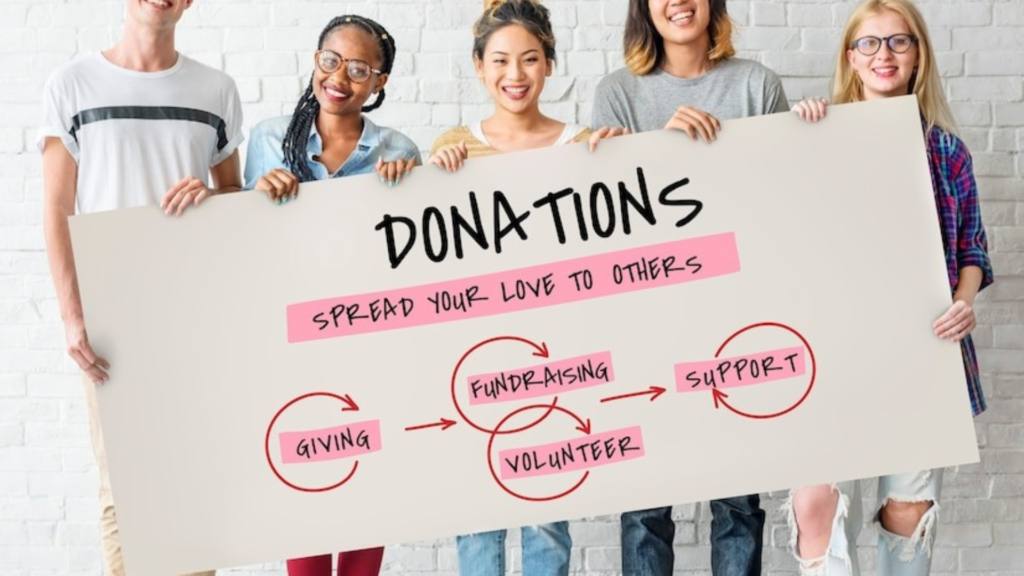
In addition, the cooperation of the staff and the board will maximize the fundraising activities. The board members are not moneyed”: This is one of the common misconceptions and this is usually done on the basis of wrong assumptions. Additionally, the level of personal wealth does not necessarily define the capability of a member to make a big donation.
It is only through being some donors that they will be able to point out the strengths and weaknesses about the organization in relation to its donors, what they felt and how, and give suggestions on areas that should be improved on. Not all the members of the board might feel comfortable in asking the donation, but there are still so many other things they can do to help the office of the fundraising win.
Conclusion

The job can also be particularly worthwhile in gaining entry to the major donors or foundations which need an established relationship. Let the potential donors meet the fundraising staff: The committee members can provide introduction to other individuals who have key contacts who can be very instrumental in opening their doors to the fundraiser.
This establishes immediate credibility of the organization in the mind of the potential donor, depending on his or her personal trust in the board member who referred the potential donor to the fundraiser. Fundraising events: Conduct events in order to rally funds. The members of the Board can represent the organization within their social and working networks and inform people about the mission and performance. It may promote major interest in the organization and result in new donors. Common goal. Rather than opening agendas per se, one should demonstrate.