Bahasviral.com – Gig Worker Protection Strategies. The gig economy has altered the contemporary workforce and provided individuals worldwide with more freedom, autonomy, and profitability than ever before. Gig employees have a significant contribution to the modern economy. They are ride-hailing app drivers, freelancers in the digital sector, food delivery people, or house help.
Nevertheless, as important as they are, gig workers usually face the following risks that ordinary workers do not: unstable income, absence of benefits, insufficient legal protection, and unpredictable working conditions. Since the gig economy has been growing, it is critical to have concrete ways of protecting it.
This growing segment of labor in order to ensure sustainability, equity, and health in the long term. This paper discusses some of the key ways that employers, government, and employees themselves can make gig labor safer without sacrificing the flexibility that has made it attractive.
Enhancing Legal and Regulatory Systems.
Among the largest issues with the gig economy is the fact that it unclear what type of work is performed by the gig workers. They treated as independent contractors on most platforms, so they do not receive benefits since they do not receive health insurance, paid time off, or retirement benefits. It needs a more transparent legal system to provide equality and flexibility.
A combination of contractor and employee classification can used by governments. This allows gig workers to retain their freedom but at the same time receive some basic protection, including minimum wages, workplace safety, or insurance. Several countries, such as the UK have already moved towards the same direction by providing gig workers with benefits such as minimum wages and paid leave under the worker category.
In addition, the regulations must insist on transparency in algorithms and platform decision-making. The workers are entitled to be informed of the way work is allocated, how ratings are awarded, and how accounts are closed. Secure algorithmic techniques reduce unjust fines and prevent individuals from losing money quickly due to the unclear rules of the platform.
Providing Equitable and Open Payments.
Gig employees are very concerned about their income due to the fact that it is unpredictable and the demand may shift. The quest to protect should be on the development of stable and fair compensation systems. Platforms are able to introduce minimum earnings guarantees, which ensure that the workers do not drop below a sustainable threshold during slow periods or following deductions.
Earnings floors have been experimented with by some gig companies, but they should be used more extensively to make the entire market financially stable. Clear pay schemes also required. Employees must have a position to easily visualize the way their salary calculated, such as base pay, surge pricing, bonuses, and platform costs.
Such transparency provides gig workers with the data that they can use to determine when and where to go. Also, the gig workers must be provided with the tools that will help them predict demand and profit trends. Peak hours displayed in the form of analytics dashboards or scheduling systems enable workers to earn more money better.
Provision of Affordable Benefit and Social Protection.
Gig workers lack the most fundamental protections in most locations, such as health coverage, vacation, compensation for injuries, and pensions. New models of benefits will have to implemented order to enhance well-being and long-term stability. One possible solution is portable benefits. These advantages are worker dependent, not platform dependent, enabling the contribution of a huge number of gig jobs or sources of income.
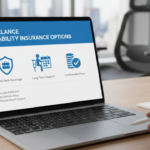
Here is an example of a part-time driver that would receive health or retirement benefits in one location, serving two ride-hailing companies. Its platforms may also provide optional low-cost or subsidized insurance plans. Accident insurance already offered by some employers, but broader coverage, such as illness coverage and disability insurance, would cover exposures dramatically. These encouraged by governments providing or imposing payments similar to social security arrangements but adapted to flexible models of jobs.
Workers in the gig industry are forced to work with unforeseen circumstances, like traffic jams, bringing goods the rain, or even making phone calls their houses. There is a need, therefore, to have safety strategies. The companies need to come up with more stringent safety measures, such as emergency aid, on-demand assistance, and training on risk prevention.
Achieving Sustainable Welfare of Gig Workers.
Protection strategies of gig workers are vital in promoting financial, health, safety, and professional growth. By applying the vast measures that include legal protections, insurance options, skill development, and collective advocacy, workers as well as platforms will be able to flourish under the changing gig economy.
The attainment of long-term well-being through the interaction between governments, corporations, and employees will require building a harmonious environment of flexibility and security. Through these strategies, the gig workers will be able to achieve resiliency, confidence, and long-term success in their professions.
More than that, the introduction of open communication, clear policies, and access to necessary resources will help the workers of the gig to overcome the difficulties and face the changing conditions of the market and stay physically and financially well. With a focus on cooperation and responsible actions, all stakeholders will be able to make the gig economy a stable and fulfilling place to work at as well as to promote innovation and development in the labor market in general.