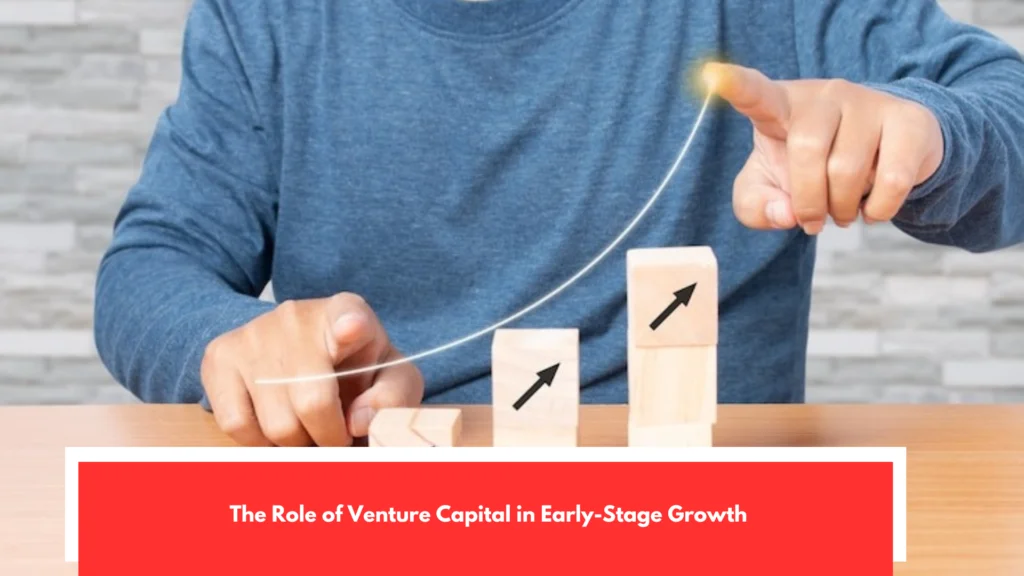
A startup is a new firm that by the virtue of being new in the market barely has a high capital to start, particularly when it is concentrated on research and development of new products or services. Despite the fact that ideas, talent and initiative are quite essential when establishing a startup, the only one that is fundamental to jump-start a startup to grow fast is financing. That is why the prospect of venture capital investment in such kind of companies can play a critical role in order to evade the situation of business stagnation and stimulate their further development.
So is venture capital the ideal solution to every startup? This piece of article describes every aspect of this form of financing. Venture capital consists of investing in a particular venture by a temporary stake (medium term or long term) in companies not listed on the stock exchange, i.e. in young or development companies, with the objective of increasing their profitability and growth. Due to the fact that in the case of this as compared to traditional investment funds which tend to invest in other assets such.
What Is Early Stage Venture Capital?

The venture capital is a relatively flexible form of financing because it does not presuppose any guarantees nor a stable credit history, however, the companies that decide to obtain their financing in the form of a venture capital should take the risk of the idea not bringing the desired outcome. But this risk is compensated by their getting a share in the ownership of the company (shares) and, incidentally, a part of the strategic decision-making process.
It must be mentioned that the people who make wagers on such type of an investment tend to have some sort of experience in young corporations or new markets and know how to define the potential of a startup and its ability to develop. Actually, the profitability associated with such an investment may actually be very high and hence makes up the risk assumed.
Evaluating Early Stage Investment Opportunities

Venture capital financing is necessary in the case of startups since they also need some of the funds to enable the realization of their businesses. In addition, venture capitalists come with the experience of dealing with start ups, which they also share their advice. Other entrepreneurs resort to so-called Business Angels, who, besides capital, even provide themselves as ad hoc partners in the work strategy.
Benefit at the point of view of startup, because then it does not go into debt in case of difficulties. In case you require some further details concerning debts, you can take a look at this post on the debt ratio. Venture capital exists in various forms and each is related to a certain stage of the start-up development. Getting to know these differences is the foremost step to fully comprehending how this type of investment operates. In this instance, investors obtain part of the capital of the company that is still at their youthful stages. In this case, financing object is most often start-ups and already existing.
Structuring and Funding Early Stage Investments

Companies who have confirmed the existence of a viable project, with the primary task of fixing oneself on the market. Speaking of growth capital, it is an example when the company to which the funds are provided is already in an advanced phase but requires capital in order to grow or restructure. It is an existing business venture, thus the risk involved is small and the monetary commitment is provided in exchange to minority shares. The initial stage of start-up is the one that the venture capital funds can use to the maximum, provided that it is at a stage of product development or market research.
The risk of getting such an investment does not only have an economic benefit but it is a good network of contacts and experience investors in the industry. Therefore, the initial action before moving to accepting venture capital is to consider the stage of your new venture, the objectives you want to reach, and, in accordance, the investor with a vision, which is closest to your plans. The first resource you should come up with is the good business financing plan which defines the business model, financial projection, and the potential growth of the start-up.
Conclusion

This report will act as a foundation that the investors will use in determining whether they are going to invest in the company. You will also have to supplement it by the preparation of a pitch, a short and graphical presentation summarizing the main characteristics of the business and its unique value proposition. With all the above two points in place, then the obvious step is to the research and seek venture capital funds and target those which specialise in the industry and the stage of the company you are in regarding growth. You are not after an investment, but a strategic partner.
In the event it is reciprocated, the due diligence process initiates in which investors carry out a serious scrutiny of the business with a view of ascertaining the financial strength, operations as well as projections of the business is coated enormously and without any risk factors. Such process may be quite time-consuming yet it will end up in a term negotiation and finally, hopefully, in the agreement of investment which will enable your startup to use the required funds to develop.